
Context
The Sims is a game about recreating your own life, and you build yourself in Create-a-Sim. In 2021 that tool had no hearing aid, no wheelchair, and no vitiligo. I wrote a proposal to change that. If the game is about self-representation, everyone should be able to represent themselves in it.
Recognition
No one assigned this, so I wrote the proposal on my own, backed it with research down to specific vendors and clinical references, and posted it in Electronic Arts’ internal Inclusion channel on Slack. Lyndsay Pearson, VP of Franchise Creative, saw it and reached out herself, then connected it to The Sims 4’s Executive Producer and a team already prototyping pronouns, prosthetics, skin painting, and early wheelchairs.
Her reply: “You’re not trying to limit yourself based on technology yet, but instead thinking about the UX. (Which is a good thing.)”
Proposal
Not a wishlist, but a systematic audit of the whole customization space.
- Gender and body. Make gender optional or unlabeled, and unbundle what it silently controlled: body frame, clothing, pregnancy. Add better body proportions.
- Skin. Vitiligo, acne, stretch marks, and surgical and pregnancy scars.
- Assistive and medical. Prosthetics, wheelchairs, walkers, canes, and hearing aids, researched across 5 need categories: blind and low vision, cognitive, communication, deaf and hard of hearing, and dexterity.
- Home and UI. Ramps, grab bars, and shower benches in Build and Buy. Captions and colorblind options.
- Guardrails. Permanent conditions before situational ones. Base mobility aids free, only cosmetic variants paid, and an opt-in step so mobility aids read as identity, not costume pieces.
Scoping
These changes carried real technical weight, so I scoped them with the dev team from the start. The core constraint came back fast: game objects were rigged to specific gendered model files, so a fully gender-neutral catalog was a heavy lift.
We sorted every change by how much it mattered to players against how feasible it was to build. Skin details and affirming items could ship soon; rig-level work went onto a roadmap. Inclusion became a sequence of shippable updates instead of one impossible release.
Rollout
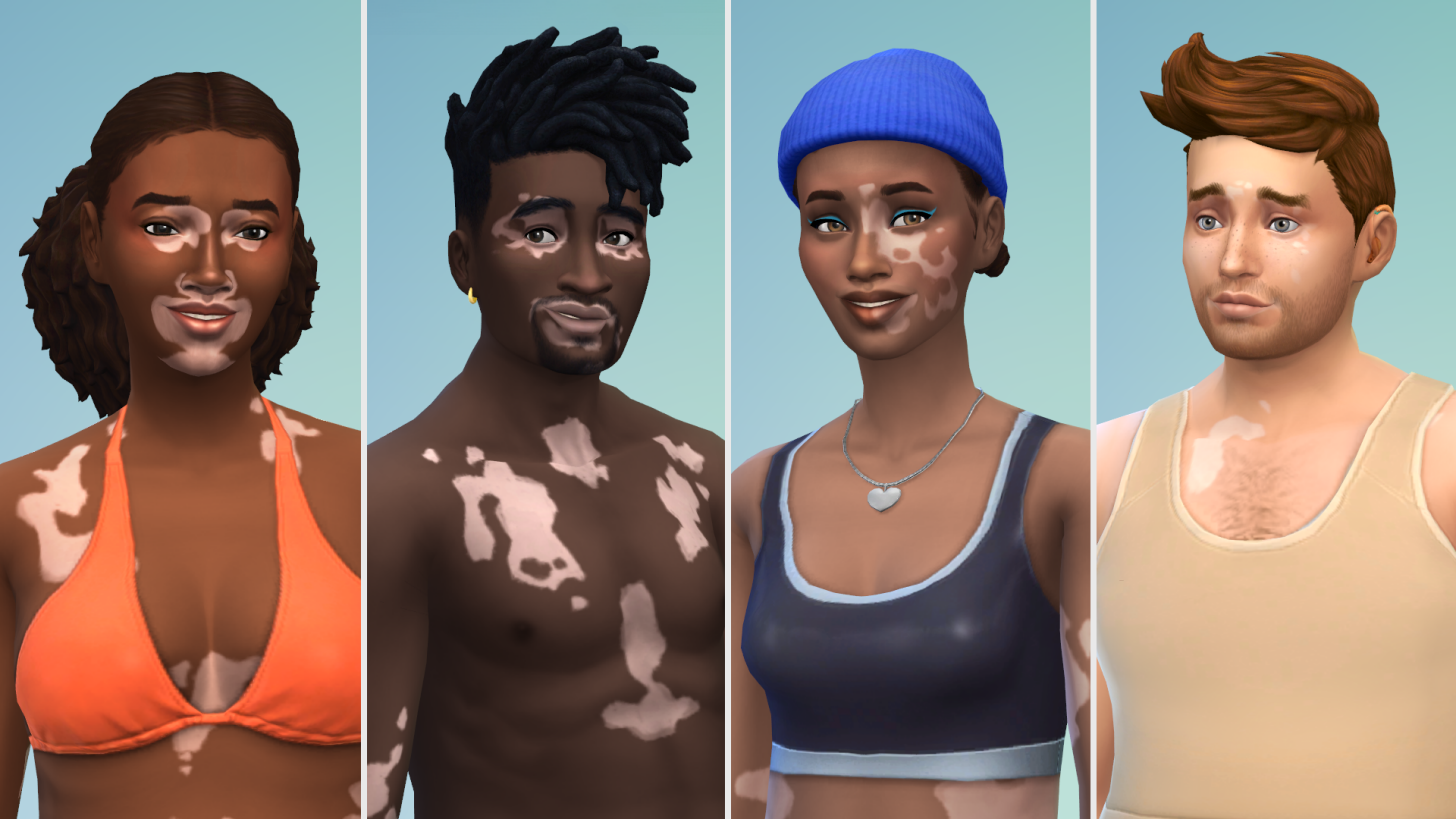
The Sims 4 rolled these out over the next few years: shapewear, hearing aids, glucose monitors, top surgery scars, and in 2024 vitiligo, made with Winnie Harlow, a model, actress, and advocate for vitiligo awareness.
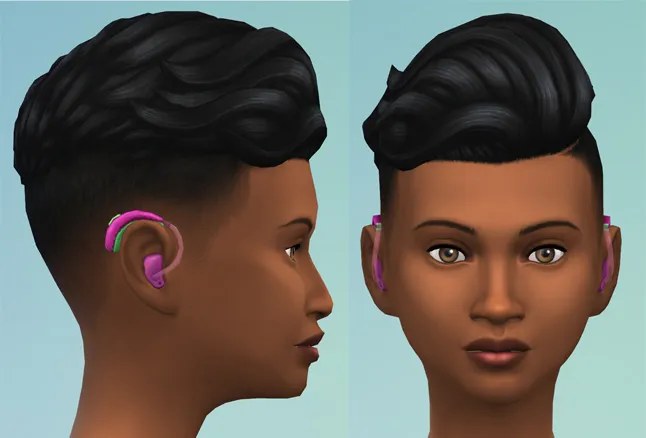
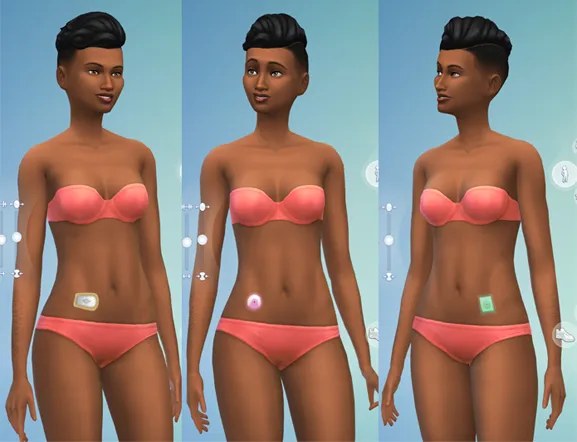
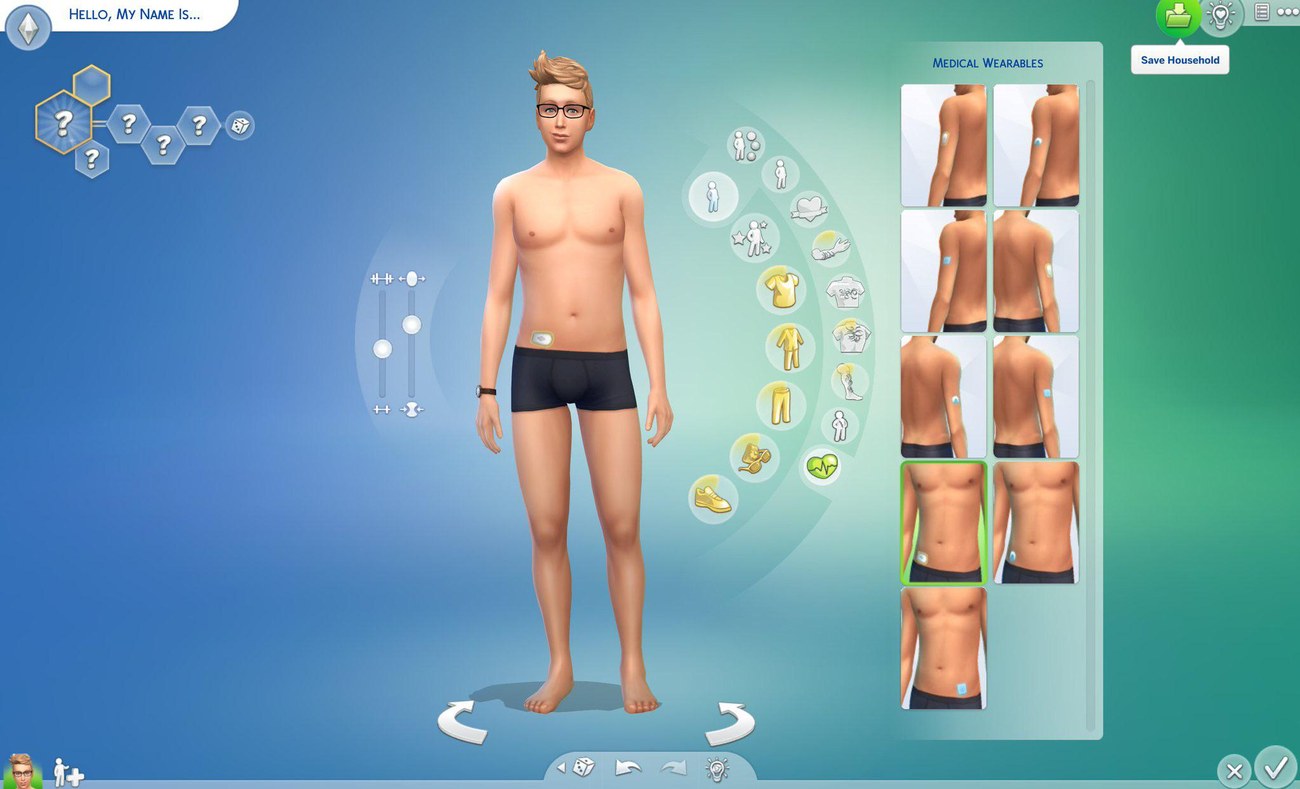
The glucose monitor patches ship for child, teen, and adult Sims, and the hearing aids for toddlers through adults, worn on either ear or both. Both come in a wide selection of swatches, from natural skin tones to vibrant colors.
Players wrote back, and that is the part I care about most. They said how they felt about this update, and it was heartwarming to read their comments about feeling represented and included in a game they cared about so much.
The work was covered by CNN, Mashable, Polygon, and Kotaku, and earned 3 company awards.
Manor
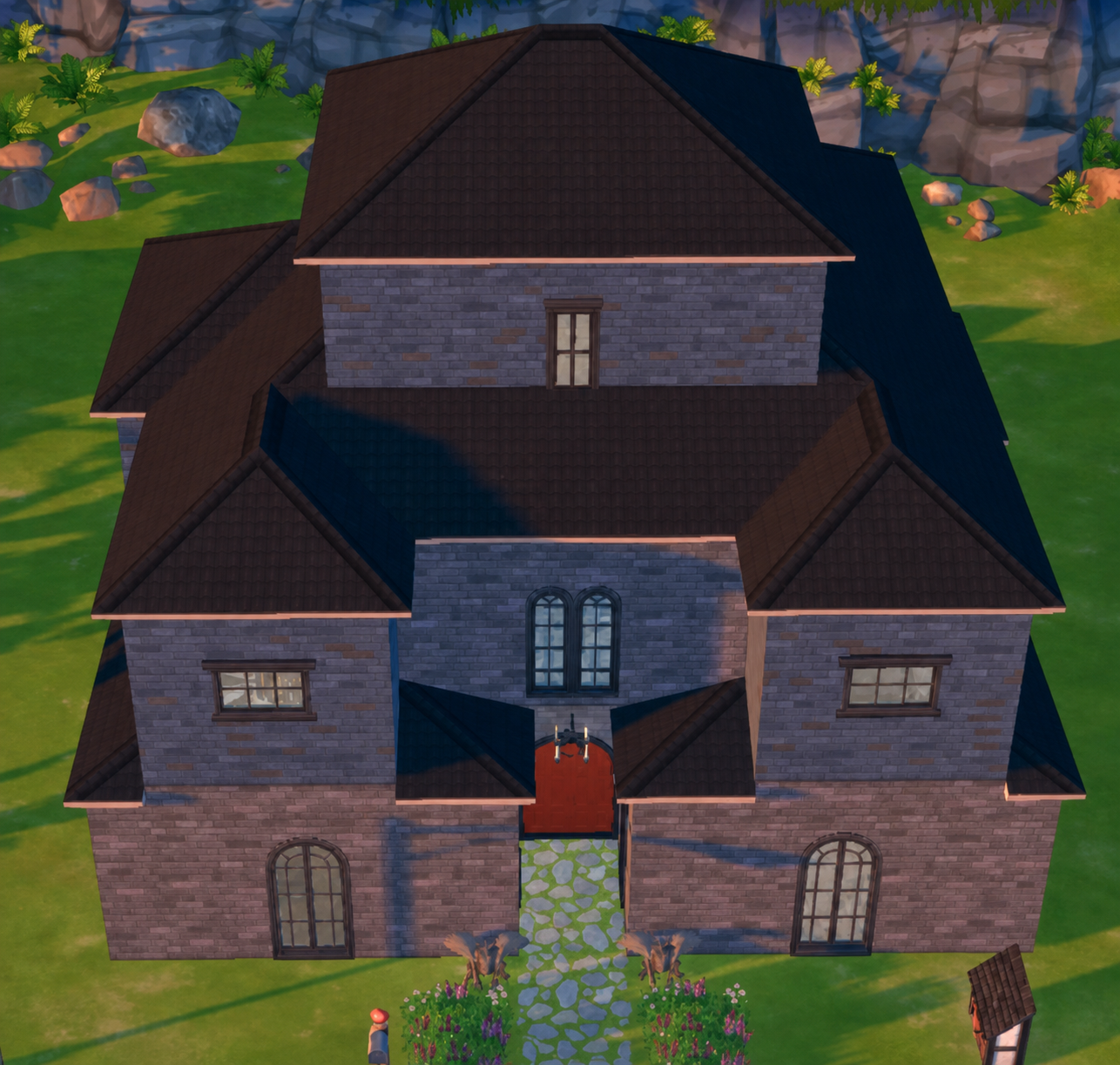
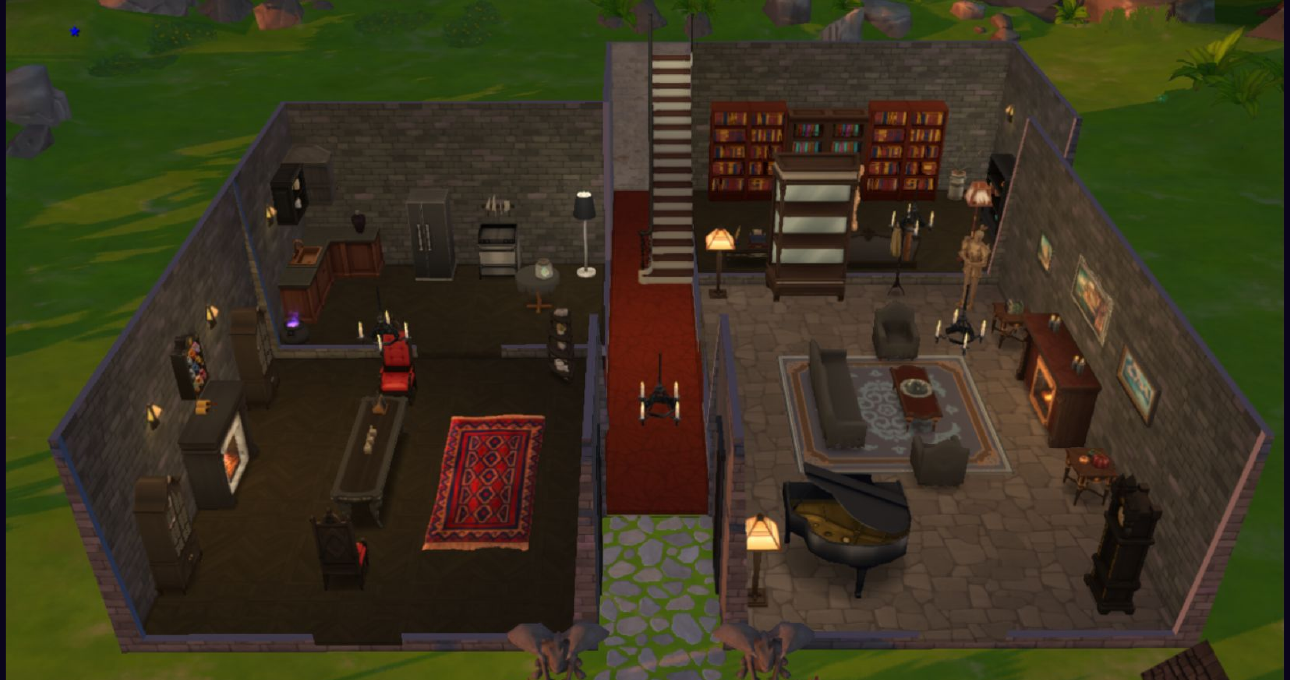
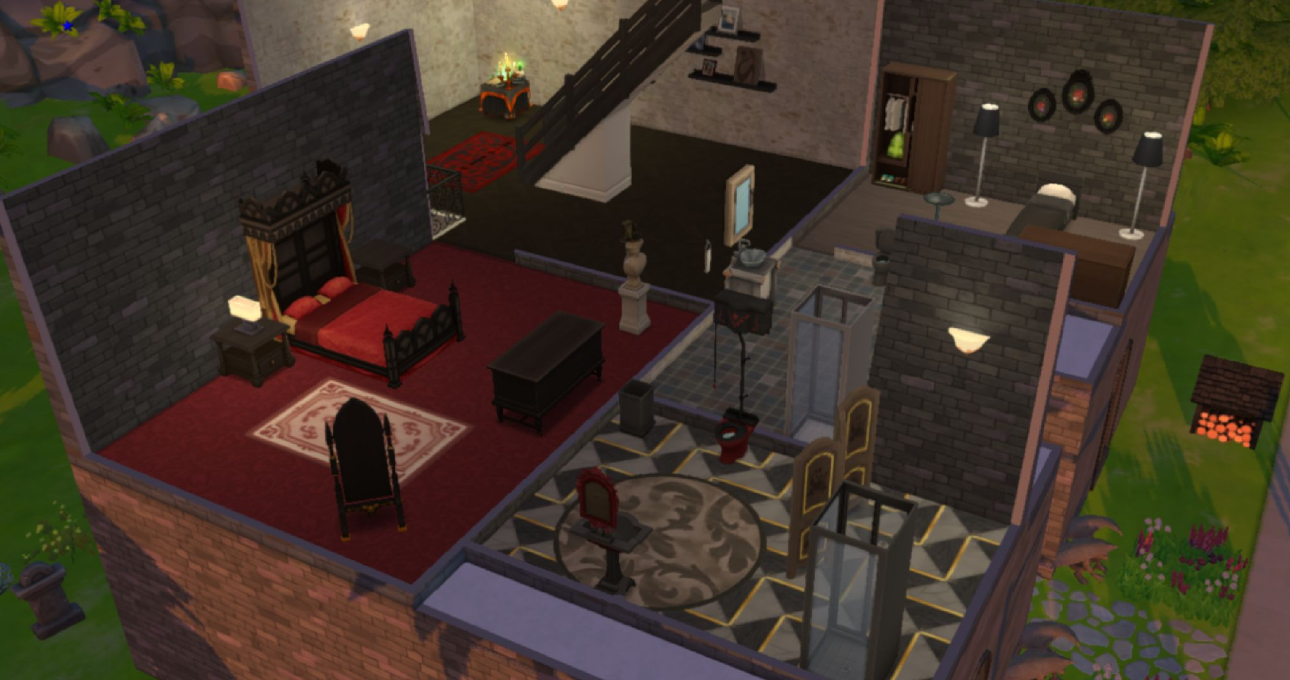
On the mobile side, I was assigned a premium 3-floor Gothic manor for the Halloween 2021 Battle Pass as an intern project, and designed and shipped it. It had to pass the game’s economy validator and still read haunted from a store thumbnail, and it came in 47 tokens under a hard budget.
I themed it around one rule set: black everywhere with a single rich accent, carved silhouettes over clean lines, and a story in every room, so every object had a reason to be there.