
Walkthrough
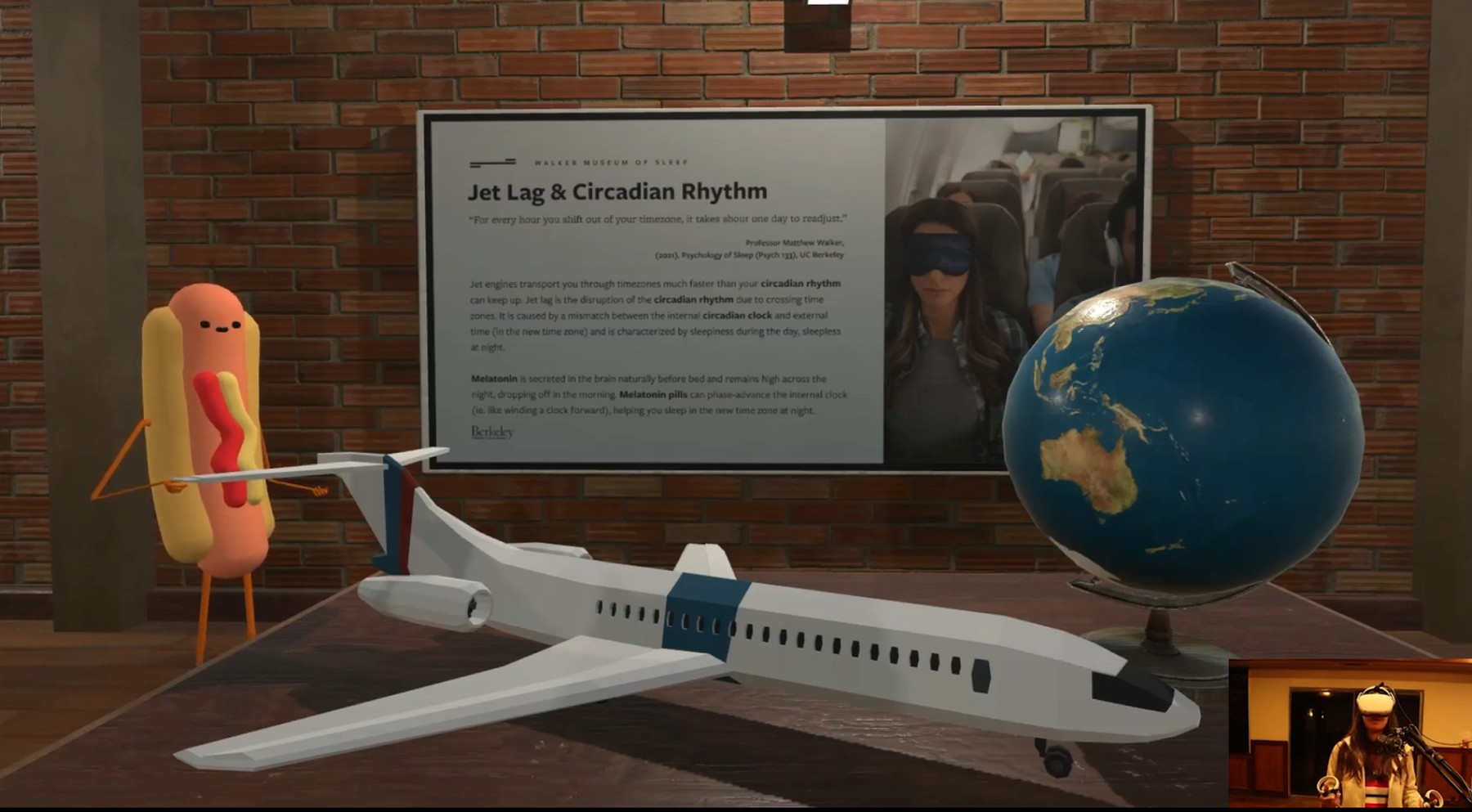
If you would rather see the museum than read about it, here is the whole thing: a 20 minute walkthrough where I show people around the exhibits myself, dressed as a hot dog.
Context
Physical museums are stuck in one place, and sleep science gets dense fast. People also learn in different ways, some by reading, some by seeing, some by doing. A museum you walk through in VR could reach anyone, anywhere, and do things a real building cannot, like a brain that lights up by sleep stage. The question we set: how might we teach sleep science in a way people actually enjoy?
Research
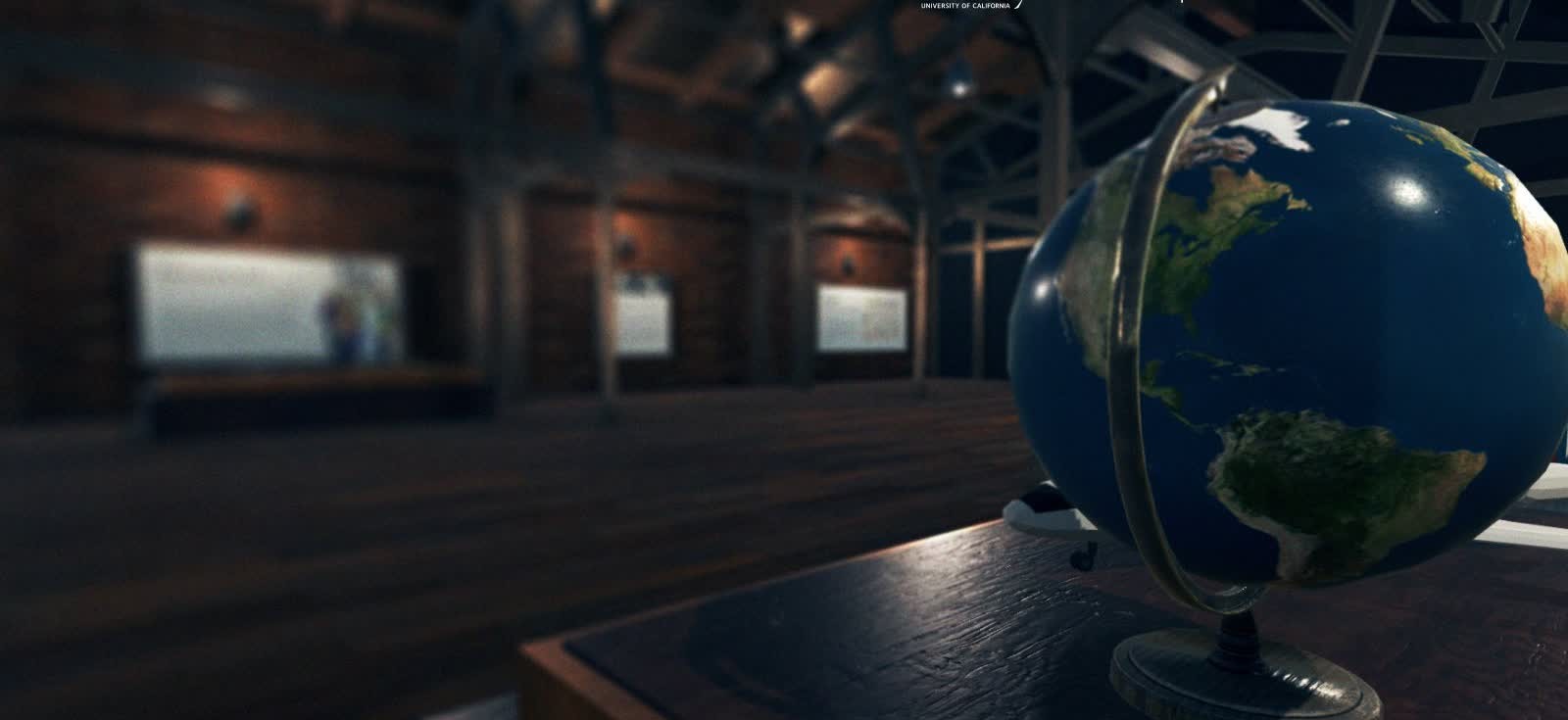
We pulled the course concepts that would translate into 3D exhibits, then audited two brands to match: UC Berkeley’s design system, so the museum felt like campus, and Walker’s own presentation style, since he was the person we were designing for.
Touring museum worlds in VRChat showed the gap we could fill: they looked great but were rarely built to actually teach. With only a week, we mapped ideas on an impact effort matrix and picked the one that was both high impact and genuinely finishable.
Troubleshooting
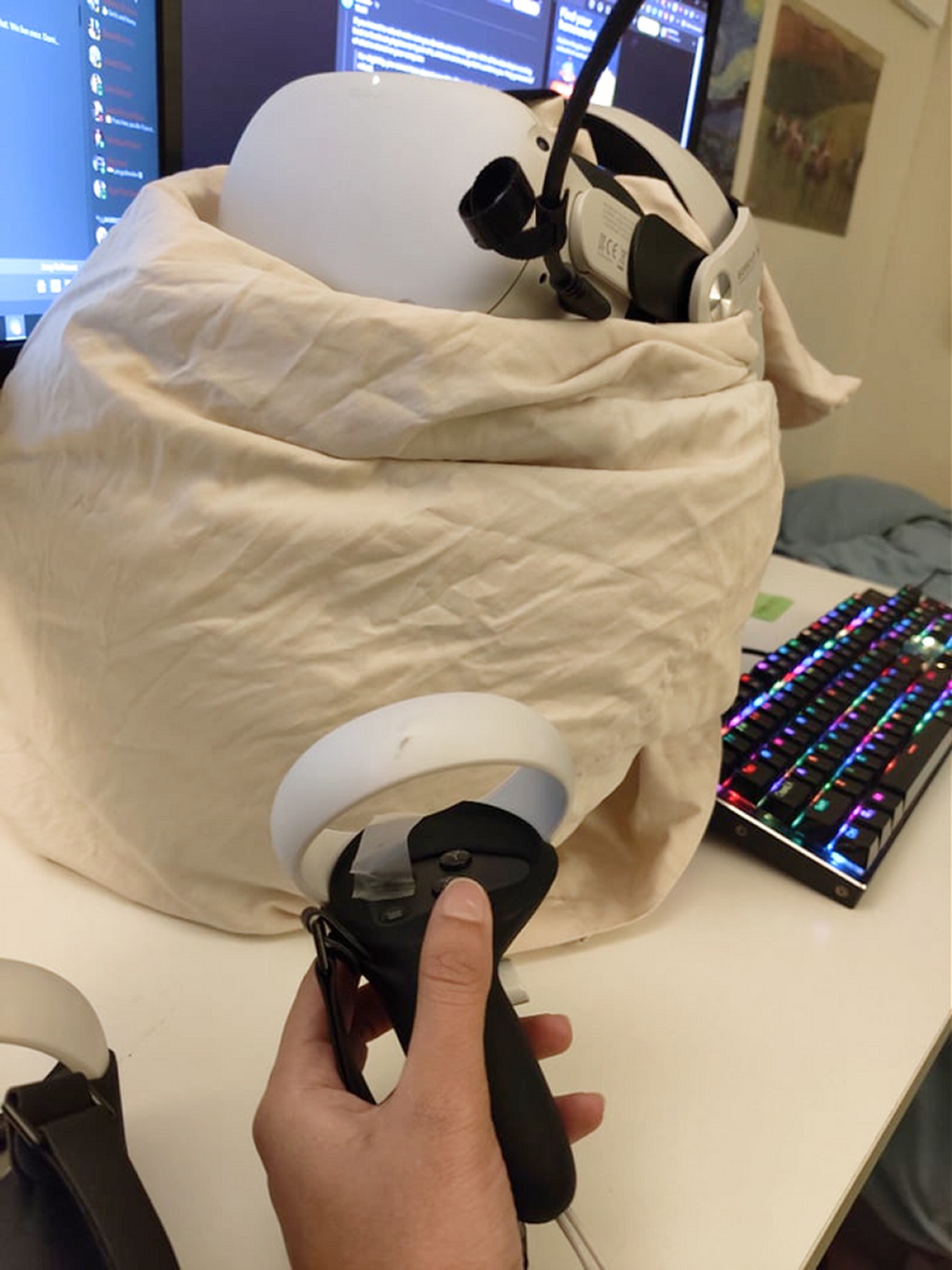
Then VRChat put up a wall. You cannot publish a world until you have logged 50 hours on the platform and earned a trust rank. The workaround was fitting for a sleep project. I stuffed a pillow into an Oculus Quest 2 to keep its proximity sensor satisfied so the headset kept running while the hours added up.
Prototype
We built on a timber showroom hall from the Unity asset store. It saved days of modeling and, conveniently, looked like it could be an extension of campus, close to Berkeley’s Anna Head Alumnae Hall.
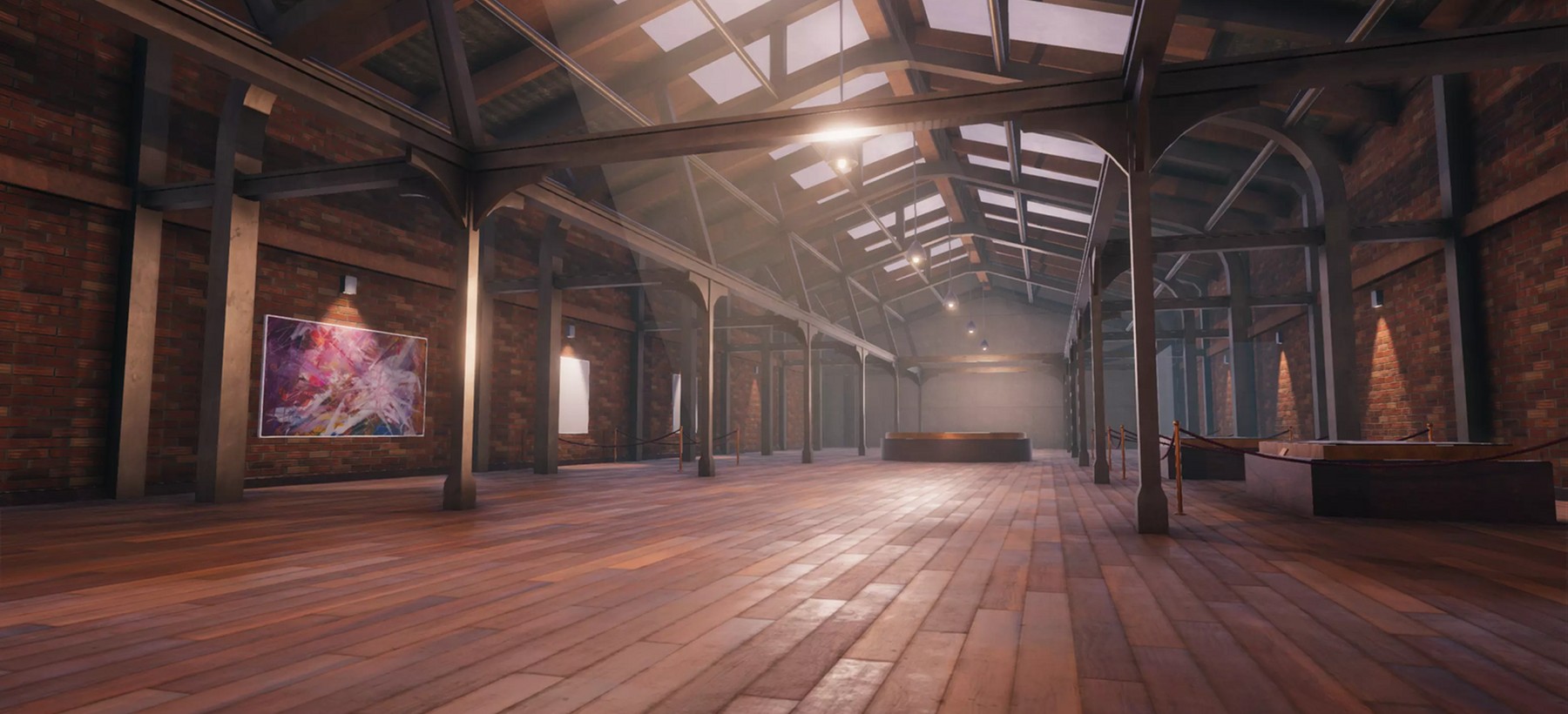
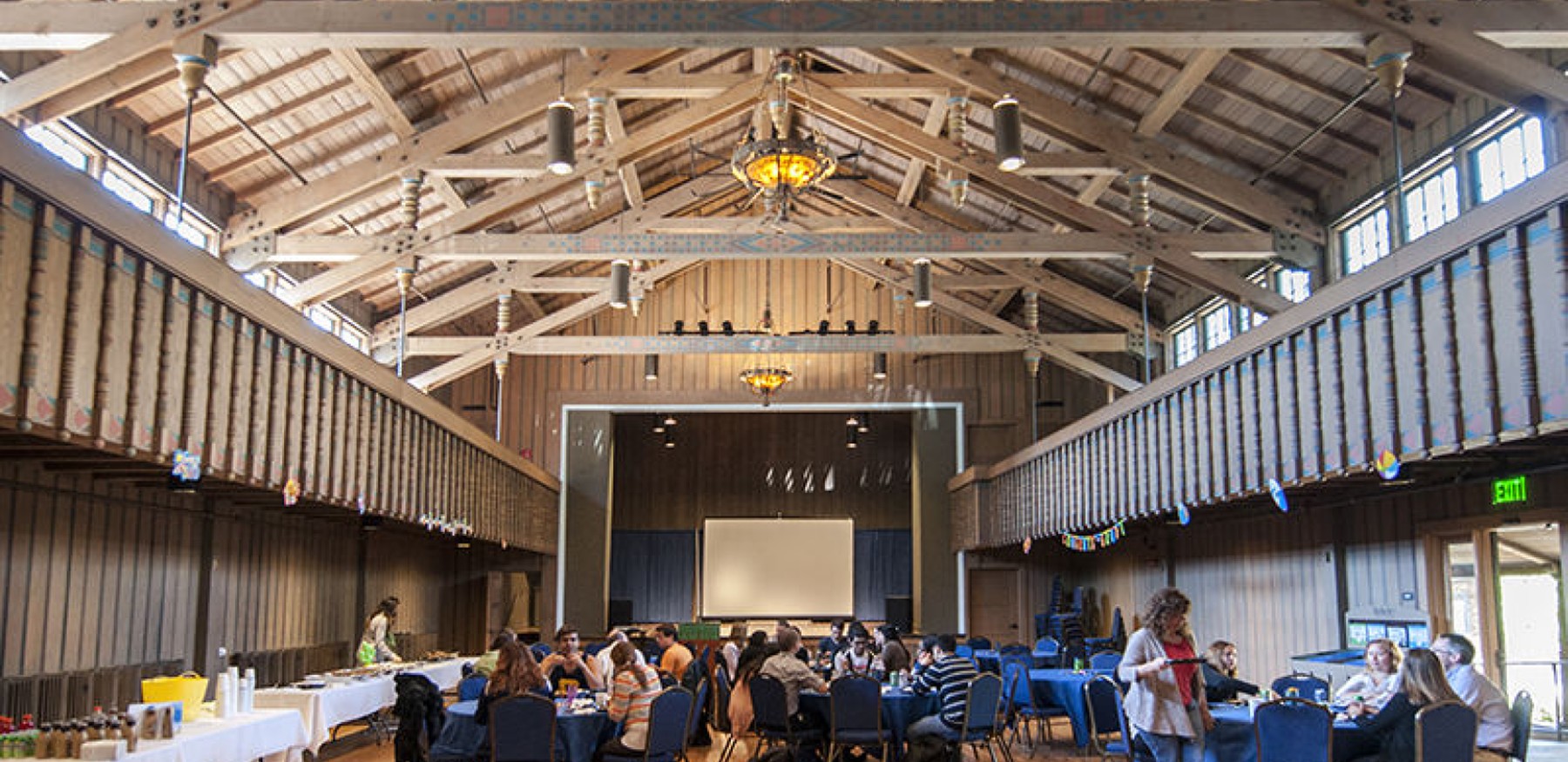
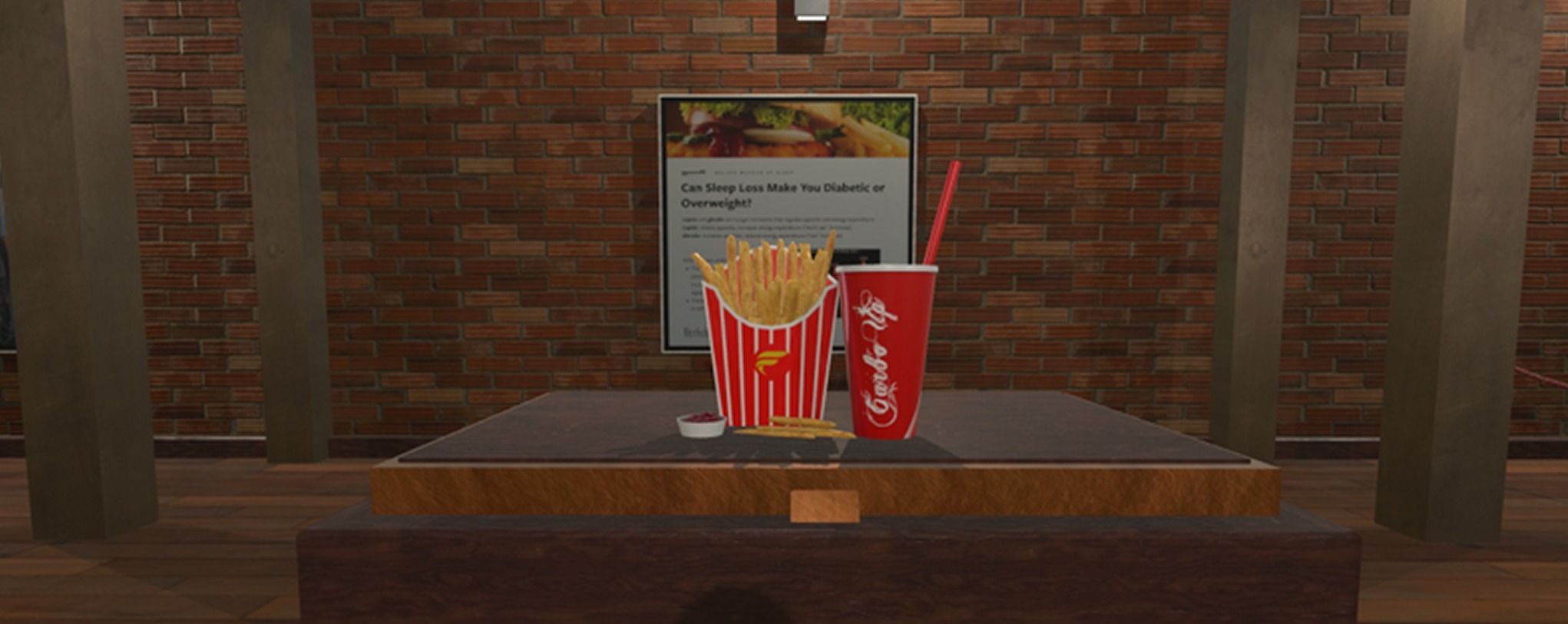
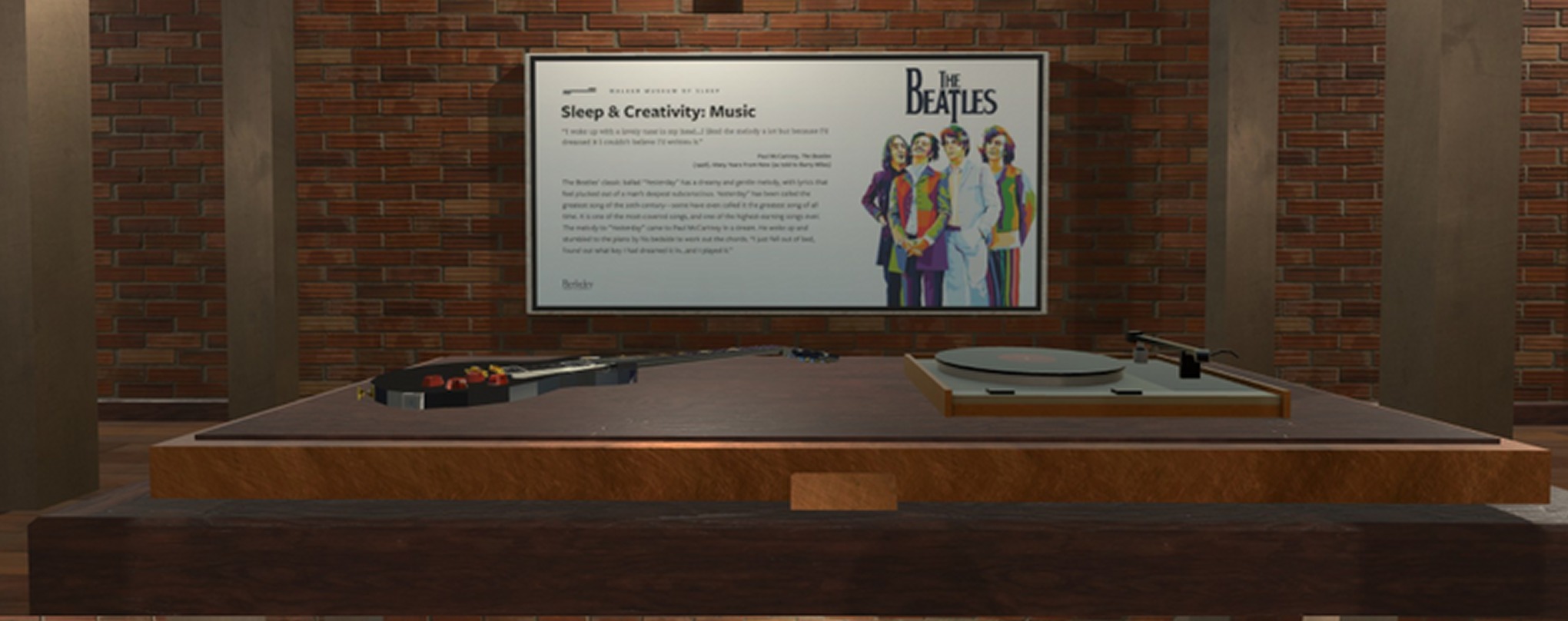
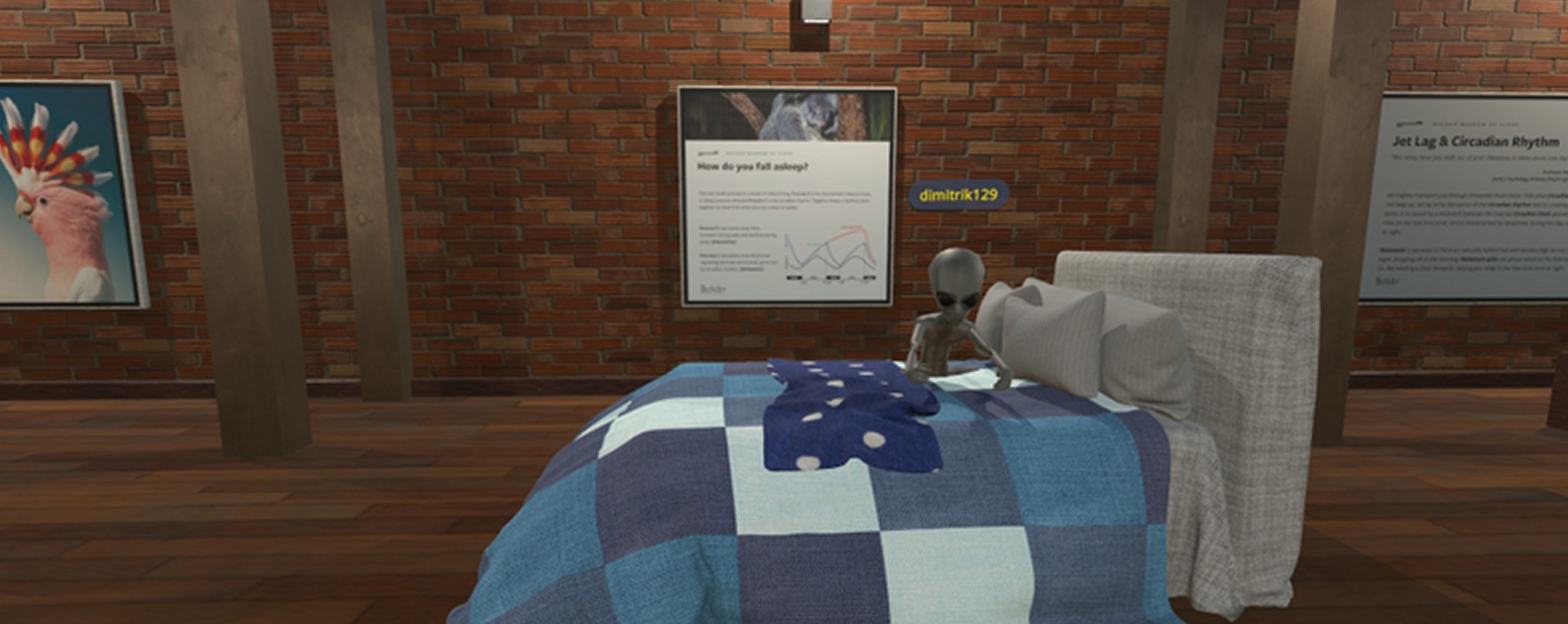
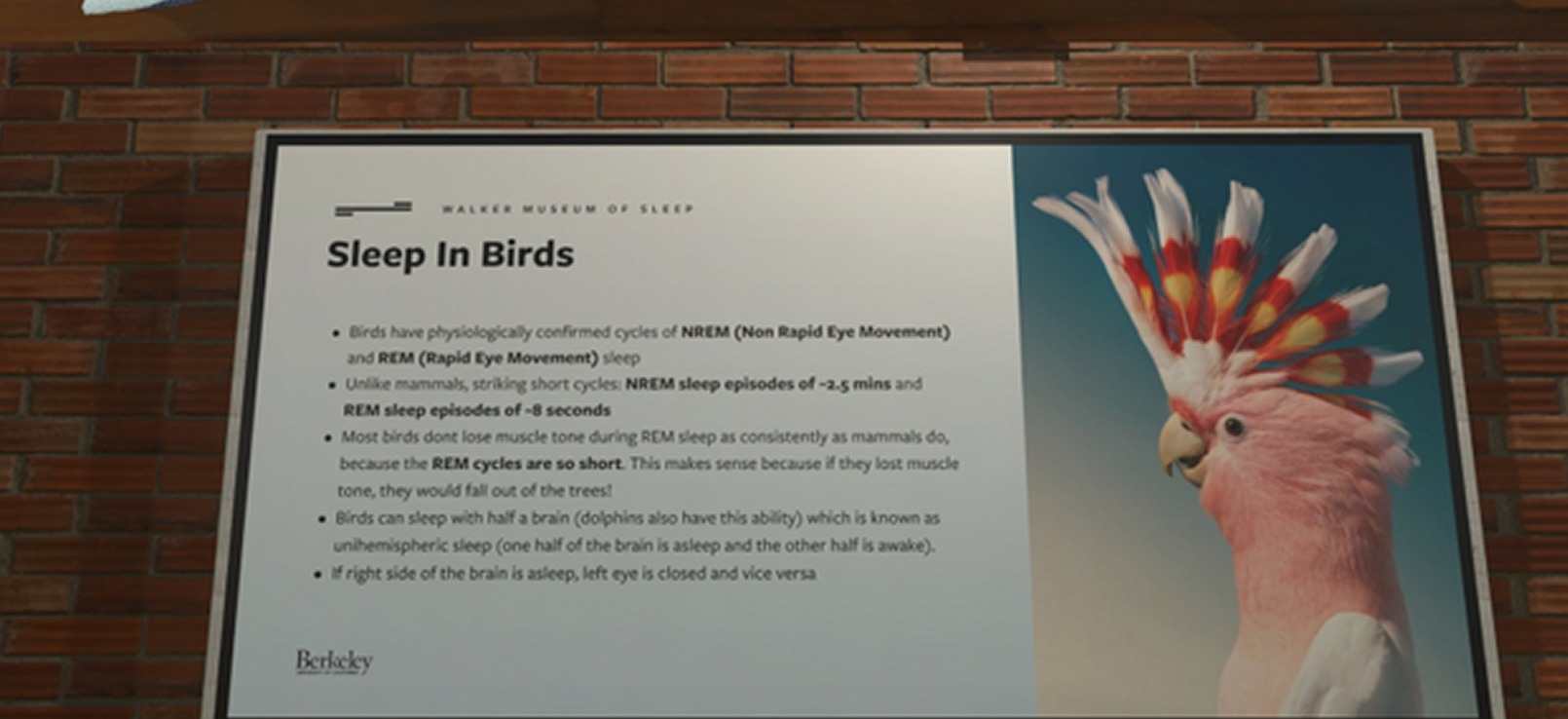
Then we filled it. Every exhibit pairs a designed panel with a 3D piece:
- Jet lag and circadian rhythm, beside a low poly plane and globe.
- The two process model of falling asleep.
- The !Kung tribe’s biphasic sleep.
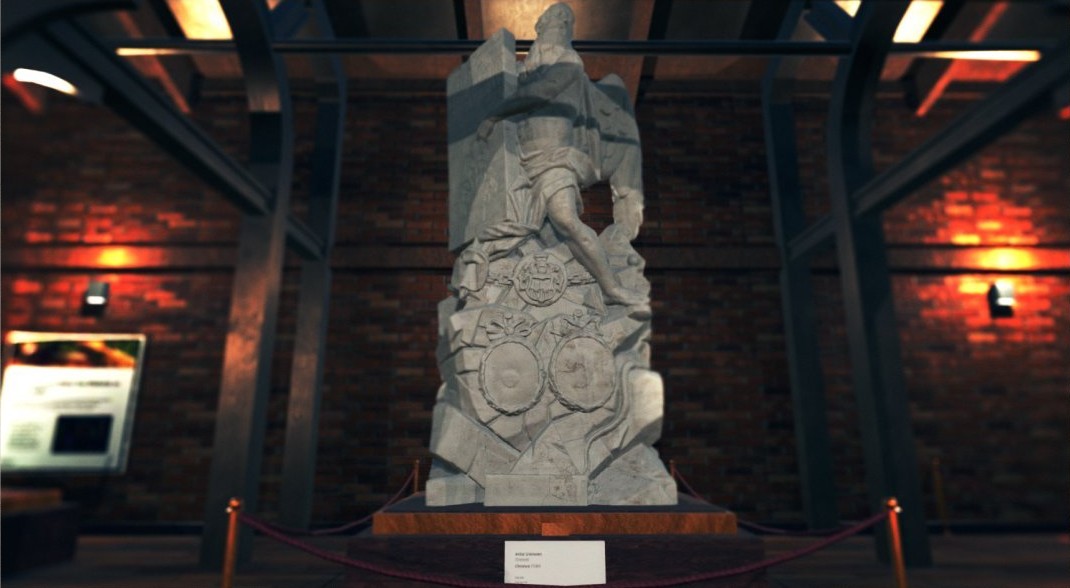
- A marble Chronos statue as the centerpiece.
The writing followed Walker’s own rule for his talks: tell a story, land one takeaway, simplify every chart.
Review
The project was graded on novelty, polish, reach, and education. Reach had a floor of 40 people. We reached 50,000.